How Much Revenue Does an ABA Clinic Lose from Expired Authorizations?

A lot of ABA clinic owners assume their biggest billing problem is claim denials after submission. The real money leak happens before a claim ever gets sent.
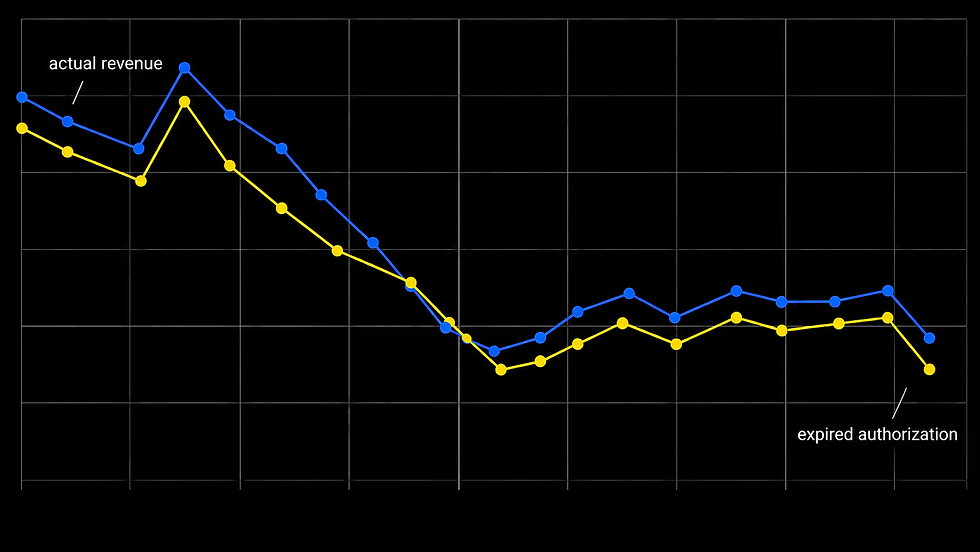
ABA revenue loss from expired authorizations is one of the most common and most preventable financial problems in applied behavior analysis practices. When an authorization expires mid-treatment and no one catches it in time, the sessions delivered after that date become unbillable. No appeal. No second chance. That revenue is gone.
Why Expired Authorizations Cause Permanent Revenue Loss
Most billing errors have a recovery path. A coding mistake can be corrected and resubmitted. A missing modifier can be added. But an expired authorization is different.
Payers treat sessions delivered outside an active authorization window as non-covered services. You did the clinical work. The client received the therapy. The payer doesn't care. Without an active authorization tied to those dates of service, the claim gets denied under code CO-15 and recovery through retro authorization is almost always rejected.
That's what makes this specific revenue leak so damaging. It's not a temporary cash flow delay. It's a permanent write-off.
How Much Does an ABA Practice Actually Lose?
The numbers are real and they add up fast. Industry data from 2026 puts authorization-related denials at roughly 34% of all ABA claim rejections, making it the single largest denial category across the entire revenue cycle.
For a mid-size ABA clinic billing 20 to 30 active clients, a single missed reauthorization can mean two to three weeks of unbillable sessions per client. At 20 to 40 therapy hours per week and average reimbursement rates between $15 and $25 per unit, that's thousands of dollars per client, per lapse.
Clinics with weak authorization tracking systems see ABA billing revenue leakage of 10 to 20 percent of collectible revenue per year. For a practice generating $600,000 annually, that's $60,000 to $120,000 walking out the door through entirely preventable billing gaps. If your practice serves multiple payers, the exposure is even higher because each payer runs its own authorization clock with different renewal deadlines.
What Makes ABA Authorization Tracking So Hard?
It's not that clinic teams don't care about reauthorizations. It's that the workflow is genuinely complicated without a system in place.
Here's where things typically break down:
Multiple clients, multiple expiration dates. A 25-client practice is managing 25 separate authorization windows, each tied to a different payer with different renewal timelines.
Payer windows are getting shorter. Multiple commercial payers shortened their standard ABA authorization periods from six months to three months in 2025. That means renewal cycles are now nearly continuous for practices with more than 50 active clients.
Reauthorization requires updated clinical documentation. It's not just submitting a form. BCBAs need to attach updated treatment plans, progress notes and medical necessity justifications. If clinical staff are behind on documentation, the reauth gets delayed too.
No centralized tracking. Many smaller practices track authorization dates in spreadsheets or through notes in their EMR. When a front-desk person leaves, that institutional knowledge goes with them.
Understanding the full scope of your ABA billing challenges starts with understanding which claim categories are actually driving your denial rate. For a breakdown of the most common denial types and what causes them, see guide on common ABA therapy billing challenges and how to fix them.
The Real Cost Goes Beyond the Denied Claim
When an authorization expires and claims get denied, the financial damage doesn't stop at the unpaid session. There's a second layer of cost that most clinics don't account for.
Your billing team has to identify the denial, investigate the root cause, attempt a retro authorization request and document the appeal. Even when the appeal is unlikely to succeed, you still spend the staff time pursuing it.
That administrative rework is expensive. Payers also tighten scrutiny on practices with high denial rates, which can trigger documentation requests, audits and delayed payments on unrelated claims. A 2026 OIG audit of Medicaid ABA payments in Colorado identified $77.8 million in improper payments tied primarily to documentation and authorization gaps, not fraud. The compliance risk is real.
Your prior authorization management for ABA therapy isn't just a billing function. It's a direct input into your practice's compliance posture.
What a Strong Authorization Tracking System Actually Looks Like
Fixing this doesn't require software costing thousands of dollars. It requires structure and consistency.
The practices that hold their authorization denial rate below 5% do a few specific things:
Set renewal alerts at 21 days and 7 days before every active authorization expiration date, not just one reminder.
Assign one person as the authorization owner per payer or per service line. Shared responsibility usually means no one is watching.
Begin the reauthorization process 3 to 4 weeks early, not the week before expiration. That buffer accounts for payer processing times, which can run 7 to 14 business days on their own.
Cross-reference the authorization tracker with the scheduling calendar daily. If a session is scheduled for a client within 7 days of their auth expiration, that's a flag that requires action today, not later.
Document reauth submissions immediately. If it's not recorded, it didn't happen from an audit standpoint.
For a full look at the CPT codes, modifier requirements and payer-specific rules that affect clean claim submission in 2026, the ABA billing 2026 guidelines cover the full cycle from eligibility through denial management.
Why Outsourced ABA Billing Reduces Expired Authorization Risk
In-house billing teams juggle session notes, scheduling conflicts, patient calls and claim submissions all at once. Authorization tracking is critical, but it competes with every other task on the desk.
Specialized ABA billing partners track authorizations as a dedicated workflow, not as a side task. That structural difference matters. Outsourcing to a specialist team typically improves collection rates by 8 to 15 percentage points compared to general medical billing staff and a significant share of that improvement comes from tighter authorization monitoring.
Pacemave's ABA therapy billing services include proactive authorization tracking, renewal calendar management and direct payer follow-up so your clinical team never has to wonder whether a session is currently billable.
What to Do When an Authorization Has Already Expired
Retroactive authorization requests are possible, but the success rate is low. Most commercial payers won't approve retro auth without a documented extenuating circumstance, like a payer error or delayed processing on their side.
What you can do is move fast. Here's what to attempt:
Submit the retro authorization request within 24 to 48 hours of discovering the lapse, not weeks later.
Document the timeline: when the original auth was issued, when it expired and any communication with the payer during the renewal period.
Attach updated clinical documentation even if it wasn't required for the original request.
Escalate to a payer supervisor rather than staying in standard appeal queues.
Even when recovery isn't possible, documenting what failed protects you in future audits and gives your billing team data to prevent the same scenario from repeating. Strong denial management includes learning from every expired authorization event, not just fixing the immediate claim.
Pacemave's denial management services handle both the immediate recovery process and the pattern analysis that prevents the same denial from hitting your practice twice.
Frequently Asked Questions
How long does ABA authorization typically last before renewal is required?
Most payers approve ABA therapy for a period of 3 to 6 months before reauthorization is required. Multiple commercial payers shortened their standard windows to 3 months during 2025, meaning practices managing 50 or more active clients now process renewals almost continuously. Starting the reauthorization process 3 to 4 weeks before the expiration date is the safest approach given payer processing timelines.
Can a denied ABA claim from an expired authorization be appealed?
Yes, but the success rate is low. Most commercial payers deny retro authorization requests unless there is documented evidence of a payer-side error, a processing delay caused by the insurer, or an extenuating clinical circumstance. Appeals should be submitted within 24 to 48 hours of discovering the lapse, with a complete timeline of communications and updated clinical documentation attached.
What percentage of ABA billing denials come from authorization issues?
Authorization-related denials account for roughly 34% of all ABA claim rejections, making it the largest single denial category in ABA billing. Practices that build structured authorization tracking into their revenue cycle, including proactive renewal alerts and dedicated authorization ownership, consistently maintain denial rates below 5%.
Stop Losing Revenue to Authorization Gaps
ABA revenue loss from expired authorizations is entirely preventable with the right tracking systems and the right team behind your billing.
The clinics that hold their collection rate above 92% don't have better luck with payers. They have a structured process that catches expiration dates before sessions are delivered outside an active authorization window. That structure protects every therapy hour your BCBAs and RBTs deliver.
If your practice is writing off sessions to expired authorizations, the fix starts with a billing audit. Pacemave identifies exactly where your authorization tracking is breaking down and builds a workflow that stops the revenue leak for good.


